
Gold and silver bullion is one of the simplest ways to own precious metal: its value comes mainly from the metal it contains. But bars and coins are not all priced the same way, and the details matter, from the weight unit to the purity to the premium you pay over the market price. This guide explains how bullion works in clear steps, so you can ask the right questions before you buy or sell in Ottawa.
What counts as bullion?
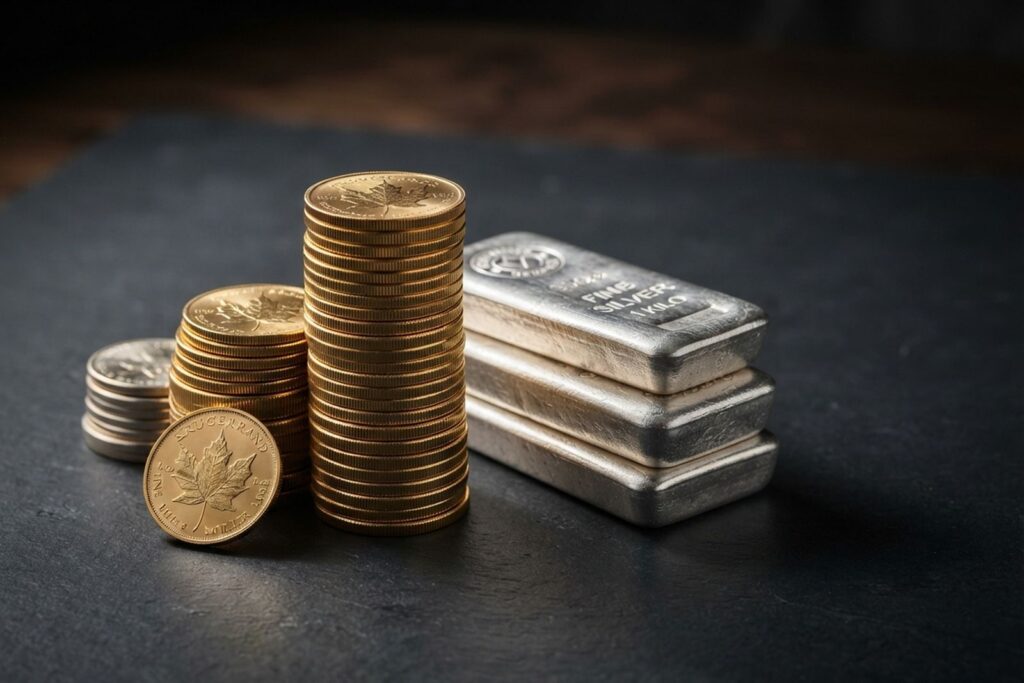
Bullion is precious metal valued mainly for its weight and purity rather than its design or rarity. It usually comes in three forms:
- Coins made by government mints, such as the Royal Canadian Mint’s Gold and Silver Maple Leaf. They carry a face value as legal tender, but their real value is the metal.
- Bars made by mints and refiners, from one gram to one kilogram and more. Smaller bars often come sealed in a card that shows the weight, purity and serial number.
- Rounds look like coins but are made privately and are not legal tender.
Weight: the troy ounce
Precious metals are weighed in troy ounces, not the ounces used for food and parcels. One troy ounce is 31.1035 grams, about 10% heavier than an ordinary ounce. A one-kilogram bar holds about 32.15 troy ounces.
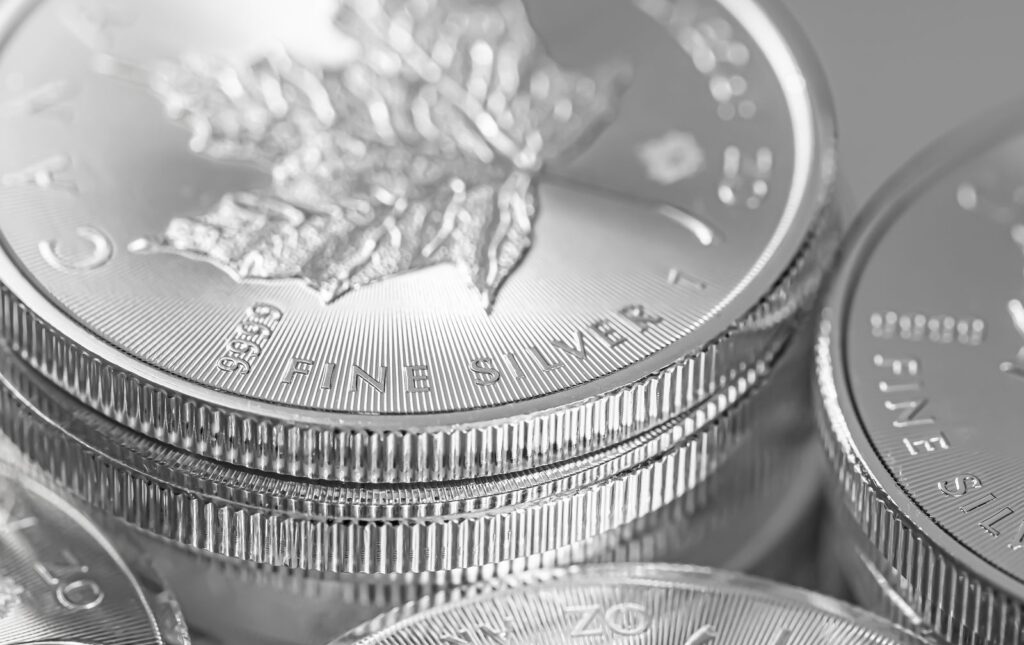
Purity: 999, 9999 and 22K
Bullion purity is written as fineness. Gold marked 999.9 is 99.99% pure; 999 is 99.9%. Some famous coins are made in 22K gold (91.67%) because the added copper and silver make them harder to scratch. A one-ounce 22K coin is simply a little heavier, so it still contains a full troy ounce of gold.
Coins or bars?
| Coins | Bars | |
|---|---|---|
| Made by | Government mints | Mints and private refiners |
| Recognition | Instantly recognised and easy to verify | Depends on the refiner and packaging |
| Premium over metal value | Usually higher, especially for small coins | Usually lower per ounce, especially for larger bars |
| Flexibility when selling | Easy to sell one coin at a time | Large bars are sold all at once |
| Security features | Many modern coins have mint security marks | Look for sealed assay cards and serial numbers |
Many buyers keep a mix: coins for flexibility and recognition, bars for a lower cost per ounce.
What you pay, and what you get back
The spot price is the live market price of one troy ounce of pure metal. A coin or bar always costs a little more than its metal value, because minting, distribution, insurance and the dealer’s costs are added on top. When you sell it back, a buyer pays close to the metal value, minus a spread for testing, handling and resale.
- Compare the total price per ounce, not just the advertised premium.
- Ask whether the quote is the full price, including any taxes or charges.
- Remember that the difference between buying and selling prices means bullion usually needs time for its value to grow.
- Check today’s market on our bullion prices page.
Taxes in Canada
In Canada, gold of at least 99.5% purity and silver of at least 99.9% purity is generally exempt from GST/HST when it is sold as bars, ingots, recognised coins or wafers. Platinum and palladium products have their own rules. Coins below these purities, such as 22K gold coins, may be taxable. We confirm whether tax applies on the quote for your exact product.
Protect the value of your bullion
- Buy from established sources and keep your receipts.
- Keep the original packaging, tubes and assay cards. Sealed products are easier to sell.
- Never clean or polish coins. Cleaning leaves marks and can reduce what a buyer will pay.
- Handle by the edges, ideally with cotton gloves, to avoid fingerprints and spots.
- Be wary of prices far below the market. Counterfeit bars and coins exist, and an unusually low price is a warning sign.
Storing bullion safely
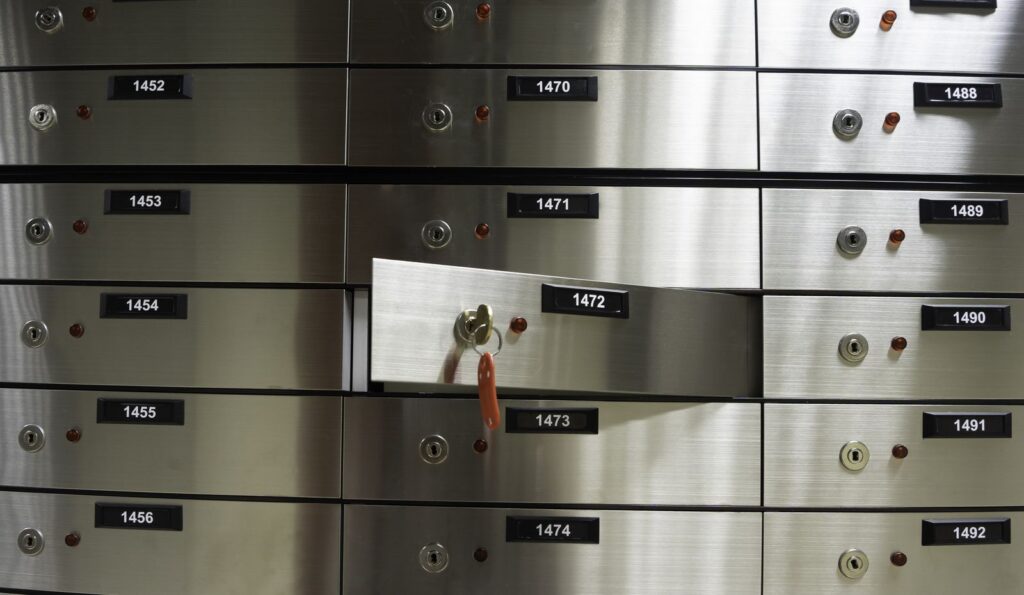
Store bullion somewhere secure and private, and tell as few people as possible. A good home safe that is bolted down is one option; a bank safe deposit box is another. Check your insurance: home policies often limit cover for precious metals, and the contents of a bank safe deposit box are not covered by CDIC deposit insurance.
Buying and selling bullion at Noura’s
Tell us what you are looking for
The metal, the size and roughly how much you would like to buy, or what you want to sell.
We confirm the exact product and full price
Availability and the complete price are confirmed for that specific coin or bar on the day, because bullion follows the market.
You decide in your own time
You get clear numbers and honest answers, with no pressure to buy or sell.
Payment and pickup are arranged with you
We confirm how payment and collection work for your purchase before anything is ordered.
Selling back
Bring your coins or bars with their packaging. We assess the metal, purity and condition and confirm our buying rate. See sell bullion and bars.
Frequently asked questions
Is bullion a good investment?
We can explain how bullion works, but we cannot give investment advice. Precious metal prices go up and down. If you are considering bullion as an investment, speak with a licensed financial adviser.
Should I buy coins or bars?
Coins are easy to recognise and to sell one at a time; bars usually cost less per ounce. Many people keep some of both.
What does 9999 mean on a gold coin?
It means 99.99% pure gold. The Royal Canadian Mint’s Gold Maple Leaf is a well-known example.
Can I sell coins I bought somewhere else?
Yes. We assess coins and bars from other dealers based on their metal, purity, identity and condition.
Why is a one-ounce coin heavier than 31.1 grams?
Coins made in 22K gold include other metals for hardness, so they weigh more in total while still containing one troy ounce of gold.
Talk to us about bullion
Visit Noura’s Jewellery at Alta Vista Plaza in Ottawa to ask about gold and silver coins and bars, or to have your bullion assessed. Call 613-680-8883 or message us on WhatsApp.
This guide is general information, not investment, tax or legal advice. Prices, availability and tax treatment are confirmed for the specific product at the time of purchase or sale.