
Jewellery Journal · · Noura’s Jewellery
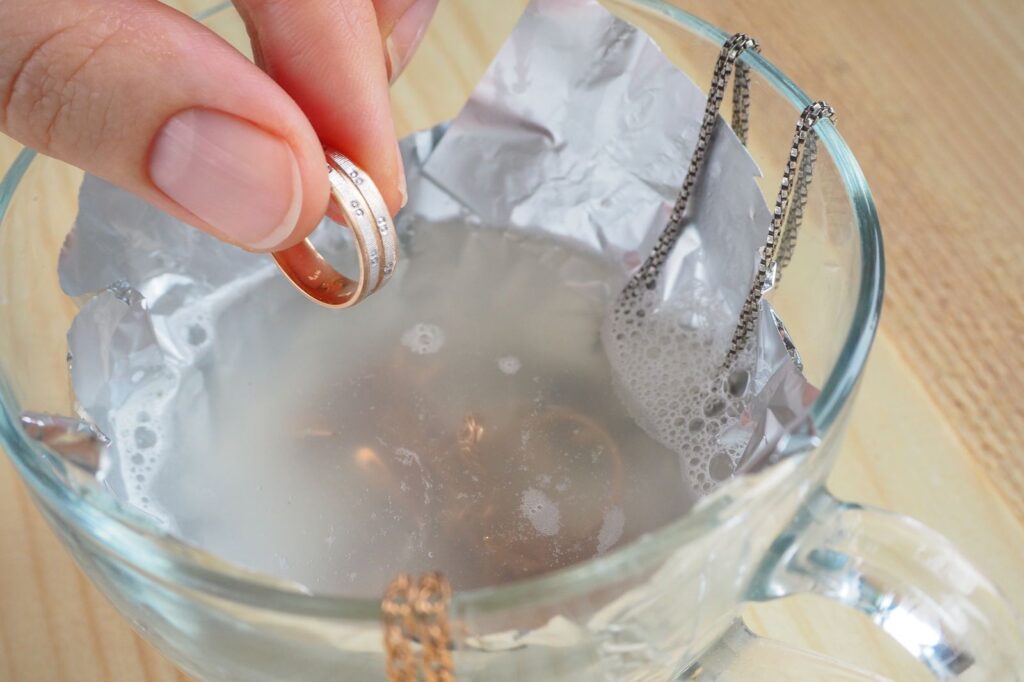
A soft brush and a drop of mild soap keep most gold and diamond jewellery looking bright. But some pieces need more than routine care, and some popular cleaning methods can do real damage to the wrong stone. This guide explains when gentle home cleaning is not enough, which gems should never go in an ultrasonic or steam cleaner, and when to let a jeweller take over. For everyday care, see our guide How to Care for Your Jewellery.
One method does not suit every piece
The right way to clean a piece depends on its metal, its stones, any treatments those stones have had, and how it was made. An ultrasonic cleaner that leaves a diamond ring sparkling can crack an emerald, dull a pearl or loosen a stone that was already insecure. Before trying any method, it helps to know exactly what your piece is made of.
Which gems tolerate which cleaning
| Gem | Hardness (Mohs) | Ultrasonic cleaner | Steam cleaner | Safest home method |
|---|---|---|---|---|
| Diamond | 10 | Usually safe* | Usually safe* | Warm soapy water and a soft brush |
| Ruby and sapphire | 9 | Usually safe* | Usually safe* | Warm soapy water and a soft brush |
| Emerald | 7.5–8 | Avoid | Avoid | Damp soft cloth only |
| Tanzanite | 6–7 | Avoid | Avoid | Warm soapy water, gently |
| Opal | 5.5–6.5 | Avoid | Avoid | Damp soft cloth only |
| Turquoise | 5–6 | Avoid | Avoid | Dry or slightly damp soft cloth |
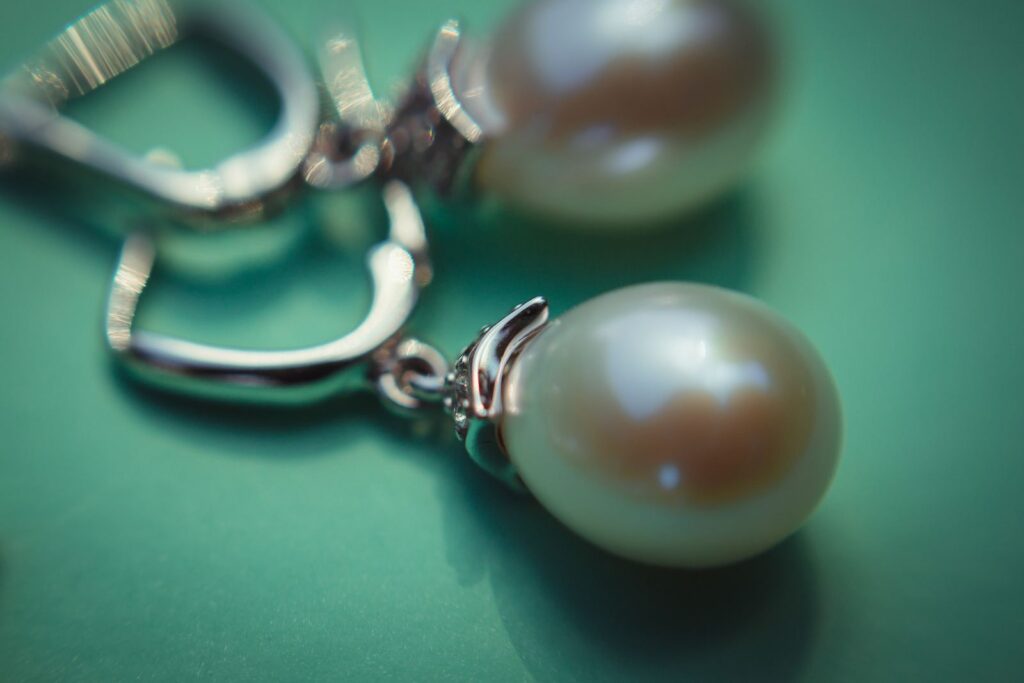
| Pearl | 2.5–4.5 | Avoid | Avoid | Damp soft cloth after wearing |
| Amber and coral | 2–4 | Avoid | Avoid | Damp soft cloth only |
*Only if the stone is untreated or treated by heat only, has no large inclusions or fractures, and the setting is secure. Fracture-filled diamonds and glass-filled rubies should never go in an ultrasonic or steam cleaner.
Check the piece before you clean it
Cleaning does not fix a loose stone, a worn prong or a weak clasp; it can make them worse. Before cleaning, look for stones that move, prongs that catch, links that look stretched and clasps that open too easily. If you find any of these, stop wearing the piece, keep any loose parts together and have it checked first. Our guide on when to stop wearing a damaged ring explains the warning signs.
Shortcuts that cause damage
- Toothpaste and baking soda: abrasive, they leave fine scratches on gold and soft stones.
- Bleach and chlorine: they can weaken gold alloys and attack some stones.
- Silver dips on mixed pieces: dips can strip plating, damage stones and spoil the finish of antiques.
- Pins and knives: scraping dirt from under a stone can scratch it or bend the setting.
- Boiling water: sudden heat can crack some stones and damage glued parts.
When to bring jewellery to a jeweller
- When dirt is packed under a stone and a soft brush cannot reach it.
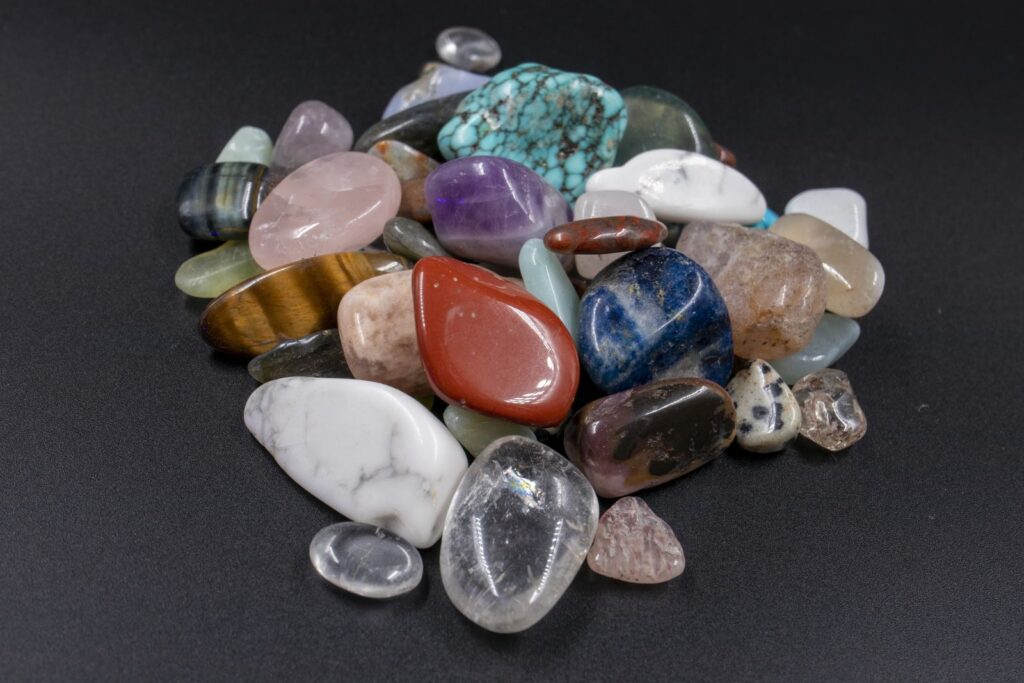
- When a piece has stones you are not sure about, or stones that may be treated.
- When an antique, a signed piece or a pearl strand needs care.
- When a piece is tarnished, scratched or dull and you would like it restored.
- When you want the stones and settings checked at the same time.
How we look after your pieces at Noura’s
At our workshop at Alta Vista Plaza, we check what your piece is made of before choosing how to clean it, and we look at the stones and settings at the same time. If something needs repair, we tell you before any work is done and explain the price. Gentle care, by the right method, keeps your jewellery beautiful for years. See our jewellery repair services.
Professional cleaning methods, explained
- Ultrasonic cleaning uses high-frequency vibration in a liquid to loosen dirt from hard-to-reach places. It is effective for suitable diamonds and hard stones, but the vibration can loosen weak settings.
- Steam cleaning blasts away loosened dirt with pressurised steam. The heat makes it unsuitable for many coloured stones and organic gems.
- Polishing on a wheel removes fine scratches from metal. It takes away a tiny layer of metal each time, so it should be done with care and not too often.
- Rhodium re-plating restores the bright white finish of white gold once the original plating has worn.
A jeweller chooses between these methods after looking at the piece. The goal is always the gentlest method that does the job.
Frequently asked questions
Are ultrasonic cleaners safe for diamonds?
Usually, for untreated diamonds in secure settings. They are not safe for fracture-filled diamonds or loose settings, and the vibration can work a loose stone free.
How should I clean pearls?
Wipe them with a soft, slightly damp cloth after wearing, let them dry flat and keep them away from perfume, hairspray and chemicals.
Can a jeweller restore scratched gold?
Light scratches can usually be polished out, and white gold can be re-plated. Deep damage may need more work, which we would explain first.
Need more than a gentle clean?
Bring your jewellery to Noura’s Jewellery at Alta Vista Plaza in Ottawa. We will check the stones and settings with you and recommend the right care. Call 613-680-8883 or message us on WhatsApp.
This guide is general information. Gem treatments and settings vary, so ask us before trying a new cleaning method on a valuable or unfamiliar piece.