
Jewellery Journal · · Noura’s Jewellery
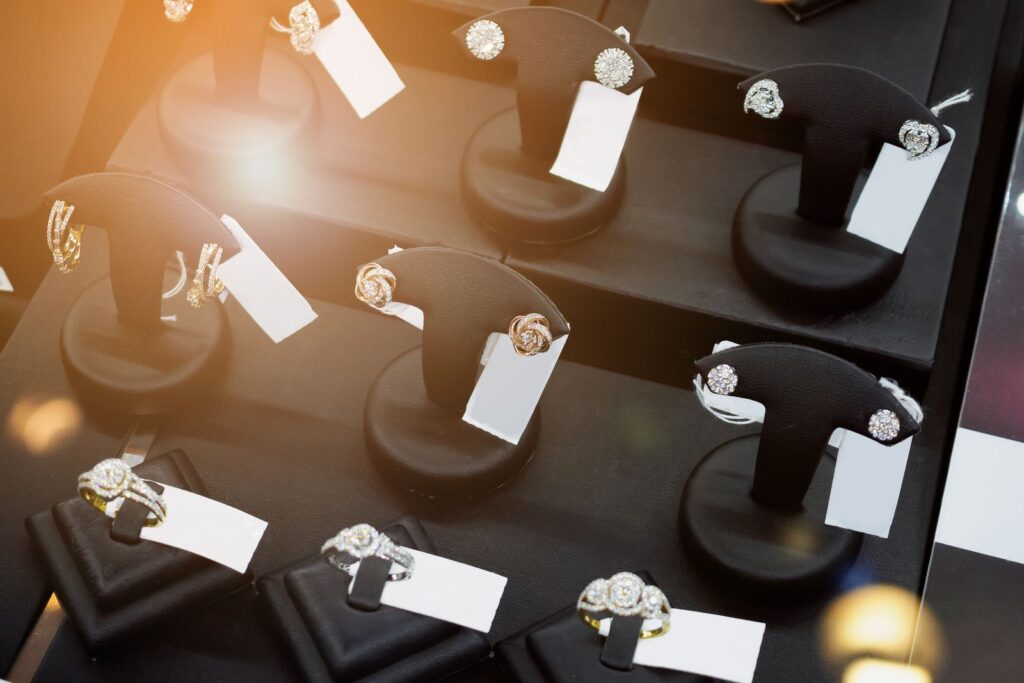
You bought a ring for one price, a calculator says its gold is worth another, and a buyer offers a third number. It is easy to think one of them must be wrong. In fact, each figure answers a different question. This guide explains the three numbers behind every piece of gold jewellery, what goes into each one, and how to decide which one matters for you.
Three numbers, three questions
| Figure | The question it answers | What it usually includes |
|---|---|---|
| Metal value | How much is the gold or silver inside worth on the market today? | Weight of the precious metal × purity × the live market price |
| Retail price | What does it cost to buy this finished piece new? | Metal, stones, design, labour, finishing, sourcing, the shop’s costs and taxes |
| Resale offer | What will a buyer pay for this piece today? | Usually the metal value, less a margin, or a separate value for stones, brand or design when they can be resold |
None of these numbers is wrong. They simply measure different things, which is why they rarely match.
What the metal value measures
The metal value is pure arithmetic: how many grams of gold are in the piece, multiplied by its purity and by the market price of gold. A 10-gram 14K chain holds about 5.85 grams of pure gold. You can see today’s market value on our gold prices page and estimate your own pieces with our precious metal calculators. What the metal value does not include is just as important: stones, craftsmanship, design, brand and the cost of making and selling the piece.

Why the retail price is higher
When you buy a finished piece of jewellery, you pay for far more than its metal. A retail price can include:
- the stones and their setting
- design work and, for custom pieces, design time
- the jeweller’s labour: casting, assembly, setting, polishing
- sourcing, insurance and shipping
- the shop’s running costs and a fair margin
- sales tax
For a light, finely made piece or a ring with a centre stone, the metal can be a small share of the price. That is normal, and it is why a ring’s retail price should never be compared with its gold weight alone.
What a resale offer reflects
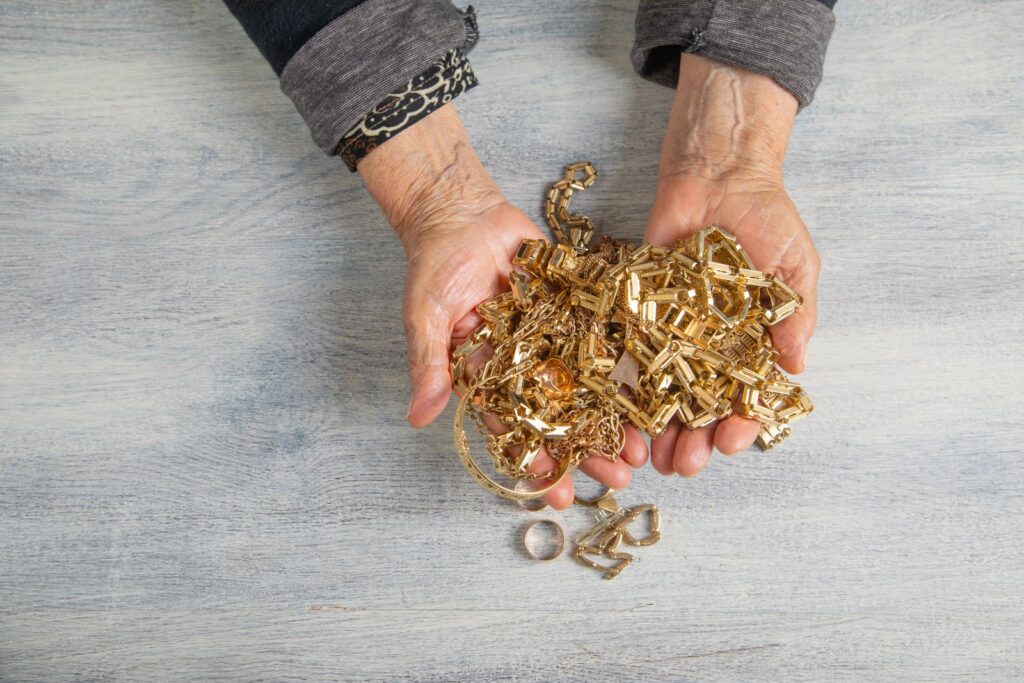
When you sell, a buyer looks at what they can realistically do with the piece. Most gold jewellery is bought for its metal, so the offer is based on the metal value with a margin for testing, refining and handling. A piece may be worth more than its metal when it can be resold as it is, for example a signed designer piece, a sought-after antique or a diamond with a strong grading report. Each of those needs its own assessment.
The price you originally paid is useful context, but it is not a minimum. The design, labour and retail costs that were part of that price are usually not recovered when a piece is sold.
Which number matters to you?
- Insuring a piece? You need a replacement appraisal, which estimates what it would cost to replace it new.
- Selling? Ask for the buying basis: weight, purity and rate per gram for metal, and a separate explanation for stones or brand.
- Keeping it? The sentimental value may matter more than any figure. A repair or a redesign can give a piece a new life.
- Buying? Compare the finished piece, the materials and the craftsmanship, not only the gold weight.
Questions to ask before you sell
- What weight are you using, and does it exclude stones and non-gold parts?
- What purity did you confirm, and how?
- What rate per gram are you applying?
- Does the offer cover the whole piece, or only the metal?
- Would this piece be worth more repaired, redesigned or sold as it is?
At Noura’s Jewellery we show you the weight, the purity and the rate that apply to your piece, so you understand exactly where an offer comes from. See our evaluation process.
A simple example
Imagine two 14K gold rings that each weigh four grams. One is a plain band; the other is a handmade ring with a small diamond and hand-finished details. Their gold content is almost the same, so their metal value is almost the same. Their retail prices, however, can be very different, because the second ring needed more design, more labour and a stone.
If both rings are sold later as scrap gold, the offers will be close to each other. If the second ring’s diamond or design can be resold as it is, it may be assessed differently. That is why we always look at the actual piece before talking about value.
Why offers can differ between buyers
Two buyers can quote different amounts for the same chain. Usually the difference comes from the weight they used, whether stones and clasps were excluded, the purity they confirmed and the rate per gram they apply. Ask each buyer for those four details and you can compare offers fairly, instead of comparing two totals that were calculated in different ways.
Frequently asked questions
Why is my ring worth less than I paid for it?
The retail price included stones, design, labour and the shop’s costs. A resale offer is usually based on what a buyer can recover, which is mostly the metal and sometimes the stones.
Is the metal value the same as a buying offer?
No. The metal value is the market value of the gold inside. A buyer pays a share of that value, because the gold still has to be tested, refined and handled.
Can a piece be worth more than its gold?
Yes. Signed designer pieces, some antiques and certain diamonds can be resold as they are and may be assessed above their metal value.
Find out what your piece is really worth
Bring your jewellery to Noura’s Jewellery at Alta Vista Plaza in Ottawa. We will explain each number clearly and show you your options. Call 613-680-8883 or message us on WhatsApp.
This guide is general information, not an appraisal, a binding quote or investment advice. Every piece is assessed in person.