
Jewellery Journal · · Noura’s Jewellery
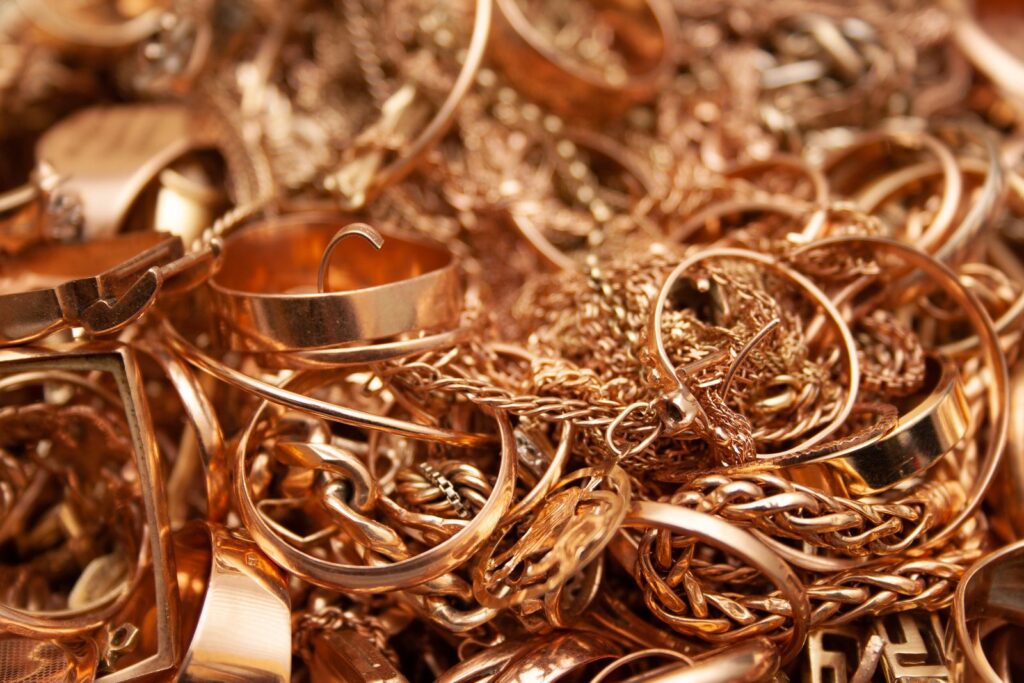
Everyone has heard a rule of thumb about gold: bite it, check it with a magnet, trust the stamp, polish it before you sell. Some of these ideas have a grain of truth; most lead people to the wrong conclusion. Here are seven common precious metal myths, why they persist, and what actually tells you something about your gold and silver.
Myth 1: A stamp proves a piece is real
A karat or fineness mark is useful information, but it is a claim, not proof. Stamps wear away, some imitation pieces carry convincing marks, and a chain and its clasp can be different alloys. In Canada, marks are not even mandatory. A professional reads the marks and then confirms them. Read more in our guide to gold hallmarks and karats.
Myth 2: If a magnet doesn’t stick, it’s gold
Gold and silver are not magnetic, so a strong pull is a warning sign. But many cheap metals, including brass, copper and aluminium, are not magnetic either. Passing the magnet test rules out some fakes; it proves nothing about purity.
Myth 3: Biting gold tells you if it’s real
Pure gold is soft, which is where the image comes from. Most jewellery is 10K to 18K and much harder, so a bite tells you very little, and it can damage the piece and your teeth. Plated lead or other soft metals can also mark under teeth.
Myth 4: Every gram counts as gold
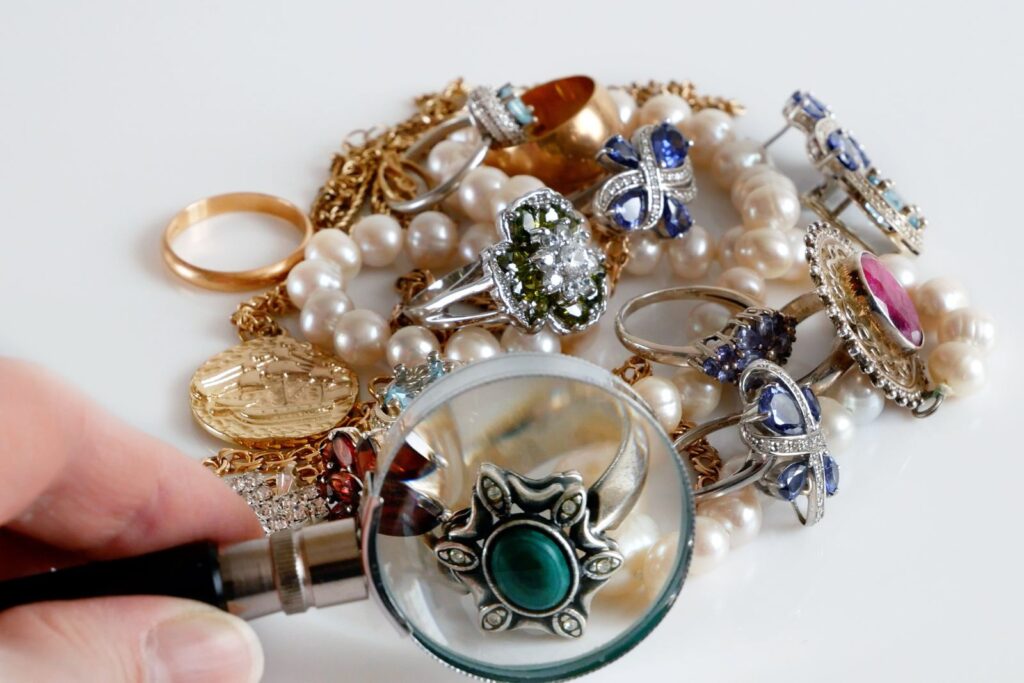
Stones, pearls, springs, steel pins and weighted parts all add weight without adding gold. A fair metal estimate uses the weight of the gold itself, multiplied by its purity. Counting the stones in a ring as gold can overstate its value considerably.
Myth 5: The price in the news is what a shop will pay
The market price you see quoted is for one troy ounce of pure 24K gold. Your jewellery is an alloy, and a buyer’s rate also covers testing, refining and handling. Compare offers using the weight in grams, the karat and the rate per gram. Our gold prices page shows both the market and our buying rates.
Myth 6: Polishing before selling gets a better price
For gold sold for its metal, polishing makes no difference to the value. For coins and antiques, it can do real harm: cleaning leaves fine scratches and can reduce what a collector will pay. Strong chemicals can also damage plating and soft stones. Bring items as they are.
Myth 7: Selling is the only option for old jewellery
A broken chain can be repaired, a ring that no longer fits can be resized, and an inherited piece can be turned into something you will actually wear. Sometimes selling is the right choice; sometimes it is not. It is worth knowing all your options before you decide. See jewellery repair and redesign.
What actually tells you something
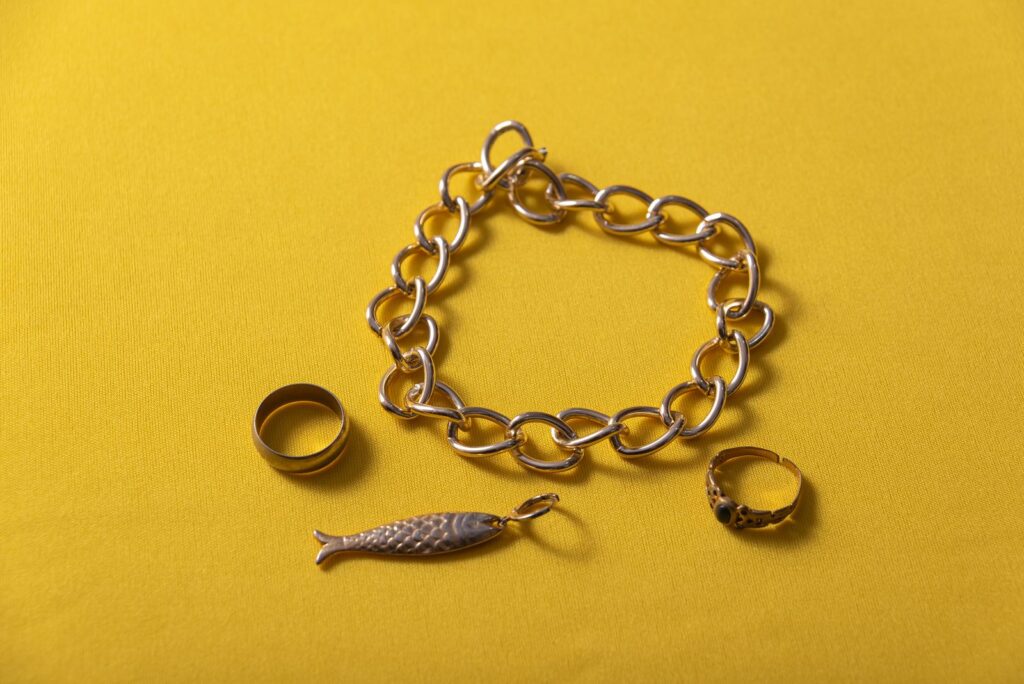
- Marks read under magnification, together with how the piece is made.
- Testing of the metal when a mark is missing, worn or doubtful.
- An accurate weight of the gold itself, not the whole piece.
- A clear rate per gram for the confirmed purity.
- An honest conversation about whether the piece is worth more as it is.
Why these myths are so persistent
Most of these ideas come from a time when buying and selling gold happened face to face, with little information on either side. A quick test at the counter felt reassuring, and a price in the newspaper was the only reference anyone had. Today live prices, clear rates and proper testing make it much easier to see what a piece is really worth, as long as you know which questions to ask.
How an honest assessment works at Noura’s
- We talk about the piece and what you would like to do with it.
- We read the marks under magnification and look at how the piece is made.
- We test the metal when a mark is missing or uncertain, and explain what we are doing first.
- We weigh the gold itself, leaving out stones and non-gold parts.
- We show you the purity, the weight and the rate per gram, so the offer is easy to check.
- You decide, in your own time, whether to sell, keep, repair or redesign.
Questions to ask any buyer
- Which weight are you using, and does it exclude stones and non-gold parts?
- How did you confirm the purity?
- What rate per gram are you applying for that purity?
- Would any of my pieces be worth more sold as they are, or repaired?
Frequently asked questions
Is there a reliable home test for gold?
Not really. Home tests can raise doubts but cannot confirm purity. A jeweller’s examination and testing are the reliable way.
Can gold-plated jewellery be sold as gold?
Plated jewellery contains very little gold, so its metal value is low. We can look at it and tell you honestly what it is.
Does old gold lose value?
Gold does not wear out in value. Its worth depends on its weight, purity and the market price on the day, not on its age.
Get a straight answer about your gold
Bring your gold and silver to Noura’s Jewellery at Alta Vista Plaza in Ottawa. We will check it with you and explain what we find, myth-free. Call 613-680-8883 or message us on WhatsApp.
This guide is general information, not an appraisal, a binding quote or investment advice. Every piece is assessed in person.